Continents:
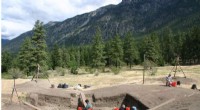
* Mountains: From the towering Himalayas to the Andes, mountains are formed by tectonic plate collisions, creating dramatic peaks, valleys, and glaciers.
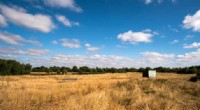
* Plains: Vast, flat areas often formed by erosion or sedimentation, providing fertile ground for agriculture.
* Plateaus: Elevated, flat areas often found in dry regions, with unique climates and ecosystems.
* Deserts: Dry, barren landscapes characterized by sand dunes, rock formations, and extreme temperatures.
* Forests: Lush, green areas dominated by trees, providing habitats for a vast array of life.
* Grasslands: Expansive areas covered in grasses, often supporting grazing animals.
Oceans:
* Deep Ocean Trenches: The deepest parts of the ocean, often exceeding 36,000 feet deep, with unique ecosystems and mysterious creatures.
* Mid-Ocean Ridges: Underwater mountain ranges formed by tectonic plate separation, where new seafloor is created.
* Coral Reefs: Vibrant, colorful underwater ecosystems built by tiny coral polyps, home to a huge diversity of marine life.
* Continental Shelves: Shallow, relatively flat areas bordering continents, rich in marine life and resources.
Other Features:
* Volcanoes: Active and dormant volcanoes that spew lava, ash, and gases, shaping landscapes and impacting climate.
* Glaciers: Massive ice formations that slowly move across land, carving valleys, eroding mountains, and affecting sea levels.
* Rivers and Lakes: Flowing bodies of water that sculpt landscapes, transport sediment, and support diverse ecosystems.
* Canyons and Gorges: Deep, narrow valleys often carved by rivers or glaciers, revealing geological layers and ancient history.
Dynamic Nature:
* Erosion: The process of wearing down and transporting rock and soil, constantly reshaping landscapes.
* Weathering: The breakdown of rocks and minerals due to exposure to elements, contributing to erosion.
* Tectonic Activity: The movement of Earth's plates, causing earthquakes, volcanic eruptions, and the creation of mountains and ocean trenches.
* Climate Change: Long-term shifts in weather patterns impacting landscapes, leading to changes in sea level, ice sheets, and vegetation.
Global Variations:
* Earth's landscape varies significantly across the globe, influenced by latitude, altitude, climate, and geological history.
* From the frozen landscapes of Antarctica to the lush rainforests of the Amazon, each region has unique features and ecosystems.
Overall, Earth's landscape is a dynamic and complex tapestry of diverse features, constantly evolving and shaped by forces both natural and human. This dynamic interplay creates a fascinating and ever-changing world.