Mammals:
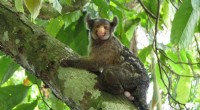
* Large mammals: Black bears, cougars, elk, deer, and sometimes even wolves (depending on location).
* Small mammals: Squirrels, chipmunks, rabbits, marmots, weasels, and various bats.
* Insects: Numerous insect species, including beetles, butterflies, ants, and moths.
Birds:
* Resident birds: Woodpeckers, owls, hawks, eagles, warblers, and many songbirds.
* Migratory birds: Numerous species come to breed in the rainforest, including hummingbirds, warblers, and flycatchers.
Reptiles and Amphibians:
* Reptiles: Salamanders, lizards, and snakes.
* Amphibians: Frogs, toads, and newts.
Fish:
* Freshwater fish: Trout, salmon, and other species that thrive in the cool, clear streams and rivers.
Other:
* Invertebrates: Slugs, snails, earthworms, and many other small creatures play important roles in the forest ecosystem.
Specific Examples:
* Redwood forests (California): Northern spotted owls, California red-legged frogs, and the endangered California condor.
* Pacific Northwest forests (USA and Canada): Olympic marmots, Sitka black-tailed deer, and the iconic Roosevelt elk.
* Temperate rainforests of Chile: Pudu deer, the Chilean huemul (a type of deer), and the endangered Darwin's frog.
Factors Influencing Diversity:
* Location: Temperate rainforests around the world have different species depending on their geographic location.
* Altitude: Higher elevations tend to have less biodiversity.
* Habitat availability: Different habitats within the forest provide niches for various species.
It's important to remember that this is just a glimpse into the diverse animal life in temperate rainforests. There are many other fascinating creatures that call these ecosystems home.