1. Deforestation:
* Logging: The most direct and devastating impact is the clearing of forests for timber. This removes vital tree cover, disrupting ecosystems, reducing biodiversity, and contributing to climate change.
* Agriculture: Expanding agricultural lands, particularly for cattle ranching and palm oil plantations, is another major driver of deforestation. This displaces wildlife, disrupts natural water cycles, and releases large amounts of carbon into the atmosphere.
* Mining: The extraction of minerals like gold, diamonds, and bauxite often involves the clearing of large tracts of forest, causing significant environmental damage.
2. Climate Change:
* Increased Temperature: Global warming leads to higher temperatures and altered rainfall patterns, which can cause forest fires, drought, and disease outbreaks, further stressing rainforest ecosystems.
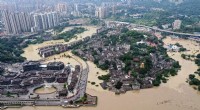
* Extreme Weather: More frequent and intense storms, floods, and droughts disrupt rainforest habitats and make them more vulnerable to invasive species and diseases.
3. Pollution:
* Air Pollution: Pollution from nearby cities and industries can travel long distances and impact rainforest health.
* Water Pollution: Runoff from agricultural lands and mining operations can contaminate rivers and streams, harming wildlife and impacting water quality.
4. Loss of Biodiversity:
* Habitat Loss: Deforestation and habitat fragmentation lead to the loss of species, both large and small.
* Invasive Species: Humans introduce non-native species, which can outcompete native wildlife and disrupt delicate ecosystems.
Consequences of Rainforest Destruction:
* Climate Change: Rainforests are vital carbon sinks, absorbing vast amounts of CO2. Their destruction exacerbates climate change.
* Biodiversity Loss: Rainforests are home to a huge percentage of the world's species, and their loss leads to an extinction crisis.
* Loss of Ecosystem Services: Rainforests provide valuable ecosystem services, including clean air and water, regulating rainfall, and preventing soil erosion.
* Impacts on Indigenous Peoples: Many indigenous communities depend on rainforests for their livelihoods and cultural survival. Deforestation displaces them and threatens their traditional way of life.
Solutions:
* Sustainable Forest Management: Encouraging sustainable logging practices, promoting agroforestry, and supporting community-based forest management.
* Protecting Biodiversity: Establishing protected areas, monitoring endangered species, and combating illegal wildlife trade.
* Combatting Climate Change: Reducing greenhouse gas emissions, supporting sustainable agriculture, and restoring degraded forests.
* Promoting Conservation: Raising awareness about rainforest importance, supporting conservation organizations, and advocating for policies that protect rainforests.
It is crucial to understand the interconnectedness of human activities and rainforest health. Sustainable practices and conservation efforts are vital to protecting these precious ecosystems for future generations.