1. Geology: This branch focuses on the Earth's solid, non-living components, including rocks, minerals, landforms, and the processes that shape them. This includes areas like:
* Mineralogy: Study of minerals
* Petrology: Study of rocks
* Structural geology: Study of rock deformation
* Geomorphology: Study of landforms
* Paleontology: Study of fossils
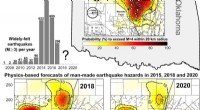
* Seismology: Study of earthquakes
2. Oceanography: This branch studies the Earth's oceans, including their physical properties, chemical composition, marine life, and interactions with the atmosphere and solid Earth. It encompasses fields like:
* Physical oceanography: Study of ocean currents, waves, and tides
* Chemical oceanography: Study of the chemistry of seawater
* Biological oceanography: Study of marine organisms
* Geological oceanography: Study of the ocean floor
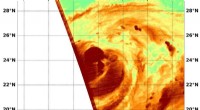
3. Meteorology: This branch focuses on the Earth's atmosphere, including weather patterns, climate, and atmospheric processes. It encompasses areas like:
* Weather forecasting: Predicting future weather conditions
* Climate science: Study of long-term weather patterns
* Atmospheric physics: Study of atmospheric processes
* Atmospheric chemistry: Study of the composition of the atmosphere
4. Astronomy: While not strictly Earth science, astronomy is closely related as it studies celestial objects and phenomena that affect the Earth, such as the Sun, Moon, and other planets. It encompasses fields like:
* Astrophysics: Study of the physical properties of celestial objects
* Cosmology: Study of the origin and evolution of the universe
* Planetary science: Study of planets and other celestial bodies
Therefore, instead of "three branches", think of Earth science as a vast interconnected field with many branches, each focusing on different aspects of our planet and its surroundings.