Natural Factors:
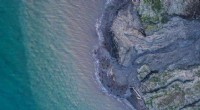
* Geography: Different regions have different climates, topography, and natural resources. Some areas are naturally prone to pollution, while others are more resilient. For example, coastal areas are vulnerable to rising sea levels, while deserts are susceptible to desertification.
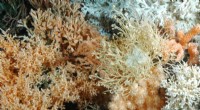
* Biodiversity: Areas with high biodiversity often have more resilient ecosystems, while areas with low biodiversity are more vulnerable to environmental degradation.
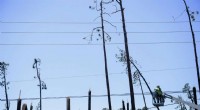
* Natural disasters: Earthquakes, volcanic eruptions, floods, and droughts can significantly impact environmental quality, both in the short and long term.
Human Factors:
* Population density: High population density can lead to increased pressure on resources and environmental degradation.
* Industrialization and urbanization: Industrial activity and urbanization contribute to air pollution, water pollution, and waste generation.
* Agriculture: Intensive agricultural practices can lead to soil erosion, water pollution, and biodiversity loss.
* Energy production: Fossil fuel extraction and power generation contribute to air and water pollution, climate change, and habitat loss.
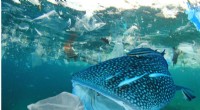
* Waste management: Inadequate waste management systems can lead to pollution and health risks.
* Economic development: While economic development can improve environmental standards in some cases, it can also contribute to pollution and resource depletion if not managed sustainably.
* Government policies: Strong environmental regulations and policies can improve environmental quality, while lax or ineffective policies can lead to environmental degradation.
* Public awareness and participation: Public awareness and participation in environmental issues can drive positive change.
Examples of Environmental Differences:
* Air quality: Cities in developing countries often have much higher levels of air pollution than cities in developed countries.
* Water quality: Rivers in industrial areas are often more polluted than rivers in remote areas.
* Biodiversity: Tropical rainforests have much higher biodiversity than temperate forests.
* Climate change: The impacts of climate change are not evenly distributed. For example, small island nations are particularly vulnerable to rising sea levels.
Addressing Environmental Challenges:
Addressing the uneven environmental quality across the world requires international cooperation, sustainable development practices, and effective environmental policies. This includes:
* Reducing greenhouse gas emissions
* Protecting biodiversity
* Improving waste management
* Promoting sustainable agriculture
* Investing in clean energy technologies
It is essential to recognize the interconnectedness of environmental issues and to work towards creating a more sustainable future for all.