1. Weathering and Erosion:
* Plants: Roots can break up rock and soil, contributing to mechanical weathering. They can also release acids that chemically weather rocks.
* Animals: Burrowing animals like earthworms, moles, and rabbits can loosen and mix soil, promoting erosion. Grazing animals can remove vegetation, increasing soil erosion by wind and water.
* Microorganisms: Lichens, bacteria, and fungi secrete acids that break down rocks and contribute to chemical weathering.
2. Sediment Transport and Deposition:
* Plants: Plant roots help stabilize soil, reducing erosion. However, vegetation can also trap sediment, leading to the formation of river deltas and sand dunes.
* Animals: Birds and mammals can transport seeds and disperse soil, impacting sediment deposition.
* Microorganisms: Bacteria and algae play a role in the formation of coral reefs, limestone, and other sedimentary deposits.
3. Soil Formation:
* Plants: Plant decomposition contributes to the formation of humus, a key component of fertile soil.
* Animals: Burrowing animals can mix and aerate soil, improving its structure and fertility.
* Microorganisms: Bacteria and fungi break down organic matter, releasing nutrients and creating fertile topsoil.
4. Landform Creation:
* Coral reefs: Formed by the deposition of calcium carbonate by coral polyps, reefs provide a natural barrier against erosion and contribute to the formation of islands and atolls.
* Beaver dams: Beavers build dams that create wetlands, ponds, and slow-moving streams, changing the local hydrology and influencing the landscape.
* Termite mounds: Termites create large mounds that can alter the topography and provide habitat for other organisms.
Examples of Landform Shaping:
* Sand dunes: Wind-blown sand can be stabilized by vegetation, shaping dune morphology.
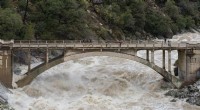
* River valleys: Erosion by rivers is influenced by vegetation cover, which can either prevent or accelerate erosion.
* Karst landscapes: Formed by the dissolution of limestone by acidic rainwater, which is influenced by vegetation cover and the presence of microorganisms.
* Mangrove swamps: Mangroves trap sediment and create coastal wetlands, protecting shorelines from erosion.
In summary, living organisms contribute to the shaping of landforms through their impact on weathering, erosion, sediment transport, and soil formation. Their actions, whether direct or indirect, play a significant role in the evolution of Earth's surface.