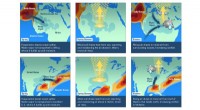
1. Temperature: Warmer air holds more moisture than cold air. As air rises and cools, it becomes saturated and condenses into clouds, leading to precipitation. This is why mountainous areas often receive more precipitation than surrounding lowlands, as the air forced to rise over the mountains cools.
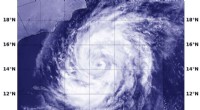
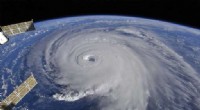
2. Atmospheric pressure: Low-pressure systems create areas of rising air, which can lead to cloud formation and precipitation. Conversely, high-pressure systems typically involve descending air, which suppresses cloud formation and reduces precipitation.
3. Wind: Winds can transport moisture-laden air from oceans or other bodies of water inland, leading to precipitation. The direction and strength of winds can also influence the distribution and amount of rainfall within a region.
These are just a few of the many factors that affect precipitation. Other important factors include:
* Elevation: Higher elevations generally receive more precipitation due to the cooling effect of rising air.
* Geography: The proximity to oceans, mountain ranges, and other geographical features can significantly influence precipitation patterns.
* Human activity: Deforestation, urbanization, and other human activities can impact local and regional precipitation patterns.
Understanding these factors is crucial for understanding weather patterns and the distribution of precipitation across the globe.