Mountains:
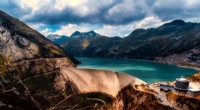
* Alps: The southernmost part of Germany is dominated by the Alps, with peaks like Zugspitze (Germany's highest) and Watzmann. This region offers breathtaking mountain scenery, skiing opportunities, and picturesque lakes.
* Bavarian Forest: This forested mountain range stretches along the border with the Czech Republic and offers hiking trails, idyllic villages, and wildlife viewing opportunities.
* Harz Mountains: Located in central Germany, the Harz Mountains are a popular destination for hiking, climbing, and exploring historic castles.
Plateaus and Hills:
* Central German Uplands: This region features rolling hills, vast forests, and numerous lakes, including the famous Lake Constance.
* Swabian Jura: This plateau is known for its rolling hills, picturesque vineyards, and quaint towns.
* Franconian Jura: This region boasts dramatic limestone formations, caves, and the famous "Franconian Switzerland" landscape.
Lowlands and Plains:
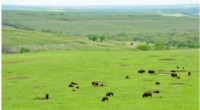
* North German Plain: This vast plain covers much of northern Germany and is characterized by flat fields, marshes, and river valleys.
* Lower Saxony: This region features large areas of heathland, sand dunes, and the Wadden Sea, a unique tidal landscape.
* Rhine Valley: This fertile valley cuts through the heart of Germany, offering stunning views of vineyards, castles, and the Rhine River.
Other Features:
* Lakes: Germany has numerous lakes, including Lake Constance, Lake Starnberg, and the lakes of Mecklenburg-Vorpommern.
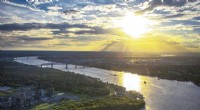
* Rivers: The Rhine, Danube, Elbe, and Weser rivers are major waterways that flow through Germany, shaping the landscape and connecting different regions.
* Forests: Germany is known for its vast forests, covering nearly one-third of the country. The Black Forest in the southwest and the Spessart in the south-central regions are particularly famous.
Climate:
The landscape of Germany is influenced by its location in Central Europe. The climate is temperate with four distinct seasons. The north is influenced by the North Sea and experiences milder, wetter conditions, while the south is more mountainous and experiences colder, snowier winters.
Human Impact:
Germany's landscape has been shaped by human activities for centuries. Agriculture, industry, and urbanization have left their mark on the land. However, there is a growing awareness of the need to preserve and protect Germany's natural beauty.
Overall, Germany's landscape is a tapestry of diverse features, offering something for everyone. From rugged mountains to rolling plains, from lush forests to bustling cities, Germany is a country that continues to captivate and inspire visitors from around the world.