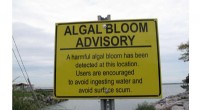
Environmental science is a multidisciplinary field that seeks to understand the complex interactions between living organisms and their physical environment. It's not just about studying nature; it's about understanding how human activities impact the natural world and finding ways to live sustainably.
Here's a detailed breakdown of environmental science:
1. A Holistic Approach:
- Interdisciplinary Nature: Environmental science draws upon a diverse range of disciplines like biology, chemistry, physics, geology, geography, sociology, economics, and even ethics. This broad perspective allows for a comprehensive understanding of environmental issues.
- Systems Thinking: Environmental scientists recognize that the environment is a interconnected system, where changes in one part can ripple through others. They consider the interconnectedness of living organisms, their habitats, and the physical processes that govern the planet.
2. Key Areas of Focus:
- Ecology: Studying the interactions between organisms and their environment, including population dynamics, community interactions, and ecosystem processes.
- Environmental Chemistry: Investigating the chemical composition of the environment, including pollution, water quality, and the fate of pollutants.
- Environmental Physics: Exploring the physical processes of the environment, such as climate change, weather patterns, and energy flow.
- Environmental Geology: Understanding the Earth's geological processes and how they affect the environment, such as land degradation, natural hazards, and resource availability.
- Environmental Management: Applying scientific knowledge to solve environmental problems and develop sustainable practices, including pollution control, conservation, and resource management.
3. Core Concerns and Issues:
- Climate Change: Understanding the causes and consequences of climate change, including rising temperatures, extreme weather events, and sea-level rise.
- Pollution: Investigating various forms of pollution, such as air pollution, water pollution, and soil contamination, and their impacts on human health and ecosystems.
- Biodiversity Loss: Examining the decline in biodiversity and the consequences of losing species and ecosystems, impacting ecosystem services and human well-being.
- Natural Resource Management: Managing the use of natural resources, such as water, land, forests, and minerals, ensuring sustainable use and conservation.
- Environmental Justice: Recognizing and addressing the unequal distribution of environmental risks and benefits, particularly within communities of color and marginalized groups.
4. The Role of Environmental Scientists:
- Researchers: Conduct research to understand environmental processes and solve environmental problems.
- Policymakers: Develop and implement policies to protect the environment and promote sustainable practices.
- Educators: Teach students about environmental issues and solutions.
- Advocates: Raise awareness about environmental issues and promote action for change.
5. Importance of Environmental Science:
- Sustainable Future: By understanding and addressing environmental issues, environmental science helps us create a more sustainable future for present and future generations.
- Protecting Human Health: Environmental science plays a crucial role in protecting human health by identifying and mitigating environmental threats to well-being.
- Conserving Biodiversity: Environmental science helps us understand the importance of biodiversity and develop strategies to conserve and manage ecosystems.
- Informed Decision Making: Environmental science provides the scientific basis for informed decision-making regarding environmental issues.
In conclusion, environmental science is a critical field that helps us understand the intricate connections between the natural world and human activities. Its comprehensive approach and focus on sustainability are essential for ensuring a healthy and vibrant planet for all.