1. Increased Sedimentation:
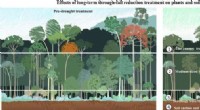
* Tree roots help stabilize soil and prevent erosion.
* When forests are cleared, the soil is exposed and more vulnerable to erosion by wind and rain.
* This leads to increased sedimentation in rivers, lakes, and streams, making the water cloudy and reducing its clarity.
2. Reduced Water Filtration:
* Forest ecosystems act as natural filters. Tree roots and leaf litter help trap pollutants and filter water as it flows through the forest.
* Deforestation removes these natural filters, allowing pollutants to enter waterways more easily.
3. Increased Runoff and Flooding:
* Forests absorb rainwater, slowing down runoff and reducing flooding.
* Deforestation disrupts this natural water cycle, leading to faster runoff and increased flooding. This can cause damage to infrastructure and harm aquatic life.
4. Altered Water Temperature:
* Trees provide shade, keeping water cooler.
* Deforestation exposes water to direct sunlight, causing it to warm up. This warmer water can be detrimental to aquatic life, making it more susceptible to disease and reducing oxygen levels.
5. Nutrient Pollution:
* Deforestation can lead to increased nutrient runoff from agricultural activities, as fertilizers and animal waste are more easily washed into waterways.
* This excess nutrients can cause algal blooms, leading to oxygen depletion and fish kills.
6. Contamination:
* Deforestation can expose waterways to pollutants from mining, agriculture, and industrial activities.
* This can lead to the contamination of drinking water sources and pose risks to human health.
7. Reduced Water Supply:
* Forests play a vital role in the water cycle. They release moisture into the atmosphere through transpiration, contributing to rainfall.
* Deforestation can disrupt this process, leading to reduced rainfall and water availability in the long term.
8. Impact on Biodiversity:
* Deforestation disrupts habitats and food sources for aquatic species, leading to a decline in biodiversity.
Overall, deforestation has a complex and far-reaching impact on water quality, impacting ecosystems, human health, and water security.