1. The Atmosphere: Carbon dioxide (CO2) is a major component of the Earth's atmosphere. It's released through natural processes like volcanic eruptions and respiration, and human activities like burning fossil fuels. CO2 is a greenhouse gas, meaning it traps heat in the atmosphere and contributes to global warming.
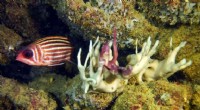
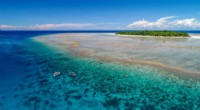
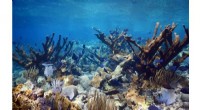
2. The Oceans: The oceans are a massive carbon sink, absorbing a significant portion of the CO2 released into the atmosphere. This carbon can be dissolved directly in the water, or it can be incorporated into marine organisms like algae and shellfish. Over time, some of this carbon can be deposited in the ocean floor as sediment.
3. Rocks and Minerals: Carbon is locked away in sedimentary rocks, such as limestone and coal. These rocks formed over millions of years from the accumulation of organic matter, like dead plants and animals, that were buried and subjected to pressure and heat. Carbon is also found in minerals like diamonds and graphite.