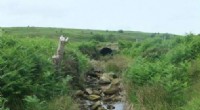
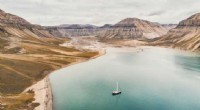
Land and water features are the physical characteristics that define our planet's surface. They shape landscapes, create ecosystems, and influence human life in countless ways. Here's a breakdown:
Land Features:
* Mountains: Elevated landforms with steep slopes, often forming ranges. They are created by tectonic plate movement.
* Hills: Elevated landforms, smaller and less steep than mountains.
* Plains: Flat, low-lying areas of land. They can be fertile, supporting agriculture or covered in grasslands.
* Valleys: Low-lying areas between hills or mountains, often formed by erosion.
* Deserts: Dry, arid areas with little vegetation. They can be hot or cold.
* Forests: Large areas dominated by trees, providing habitats for wildlife and absorbing CO2.
* Canyons: Deep, narrow valleys carved by rivers or glaciers.
* Plateaus: Elevated, flat areas of land.
* Islands: Landmasses surrounded by water.
* Peninsulas: Landmasses extending into a body of water, with three sides surrounded by water.
* Isthmuses: Narrow strips of land connecting two larger landmasses.
* Deltas: Triangular areas of land formed at the mouth of rivers, where sediment deposits accumulate.
* Volcanoes: Conical mountains formed by the eruption of lava and ash.
* Caves: Natural underground spaces formed by weathering and erosion.
* Glaciers: Large masses of ice that flow slowly over land.
Water Features:
* Oceans: Vast bodies of saltwater covering most of Earth's surface.
* Seas: Smaller, shallower bodies of saltwater, often connected to an ocean.
* Lakes: Inland bodies of water, surrounded by land.
* Rivers: Natural flowing streams of water, often flowing into a sea or ocean.
* Streams: Smaller, narrower rivers.
* Waterfalls: Places where water flows over a vertical drop.
* Estuaries: Where rivers meet the sea, creating a mix of freshwater and saltwater.
* Wetlands: Areas of land saturated with water, like swamps, marshes, and bogs.
* Coral Reefs: Underwater structures formed by the skeletons of marine animals, providing habitats for diverse marine life.
Interconnectedness:
These features are not isolated; they are interconnected and influence one another. Mountains can create rain shadows that affect nearby deserts. Rivers carve out valleys, and glaciers shape landscapes.
Understanding land and water features is crucial for:
* Environmental Management: Managing resources, protecting ecosystems, and mitigating natural hazards.
* Human Development: Planning infrastructure, agriculture, and transportation.
* Scientific Research: Studying climate change, biodiversity, and geological history.
By appreciating the diversity and interconnectedness of these features, we gain a deeper understanding of our planet and its complexities.