1. Direct Measurements:
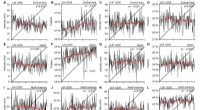
* Instrumental Records: These are the most accurate and reliable data, covering the last few centuries. They include temperature, precipitation, and wind speed measurements from weather stations around the world.
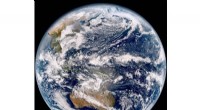
* Satellite Data: This provides global coverage since the late 1970s, offering data on temperature, sea level, and other climate variables.
2. Proxy Records:
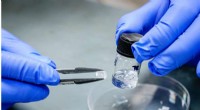
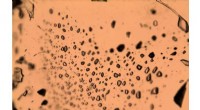
* Ice Cores: By drilling into glaciers and ice sheets, scientists extract ice cores that contain trapped air bubbles and dust particles. These can be analyzed to determine past atmospheric composition (like CO2 levels), temperature, and precipitation.
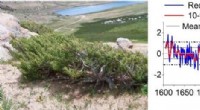
* Tree Rings: The width of tree rings varies depending on environmental conditions. By studying the patterns of tree rings, scientists can reconstruct past temperatures, precipitation, and even fire history.
* Coral Reefs: Coral growth patterns and chemical composition are affected by water temperature and salinity, providing information about past ocean conditions.
* Sediment Cores: Layers of sediment from lakes, oceans, and bogs contain fossilized pollen, diatoms, and other organisms that reflect past vegetation and environmental changes.
* Speleothems (Cave Formations): Stalactites and stalagmites grow over long periods, trapping elements like oxygen and carbon isotopes. These can be analyzed to reveal past climate conditions.
* Historical Records: Historical documents, diaries, and art can provide qualitative evidence about past climate events, such as droughts, floods, and extreme weather.
3. Climate Models:
* Computer Simulations: These models combine physical laws with data from various sources to simulate past and future climate scenarios. They help scientists understand the complex interactions between different climate factors and predict potential future changes.
Reconstructing Past Climate:
* Combining Data: Scientists use multiple proxy records and climate models to reconstruct past climate conditions. This approach provides a more complete picture of climate history.
* Calibration and Verification: Proxy records are calibrated against instrumental data to ensure accuracy. Models are tested against past climate data to assess their reliability.
* Limitations: Proxy records have limitations in terms of spatial coverage, temporal resolution, and the types of climate variables they can reveal. Climate models rely on simplifying assumptions and imperfect data.
In summary: Scientists use a combination of direct measurements, proxy records, and climate models to piece together a picture of the Earth's climate history. By studying past climate changes, we gain a better understanding of natural climate variability and can better predict future changes.