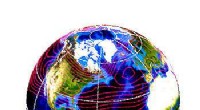
1. Atmosphere: The gaseous layer surrounding Earth, composed of nitrogen, oxygen, carbon dioxide, and other gases. This layer is responsible for weather patterns, climate, and the greenhouse effect.
2. Biosphere: All living organisms on Earth, including plants, animals, fungi, and microbes. The biosphere interacts with the other spheres through processes such as photosynthesis, respiration, and decomposition.
3. Geosphere: The solid, rocky part of Earth, including the crust, mantle, and core. It provides the foundation for the other spheres and influences their processes through geological activity like plate tectonics, volcanic eruptions, and earthquakes.
4. Hydrosphere: All the water on Earth, including oceans, lakes, rivers, groundwater, and ice. The hydrosphere interacts with the other spheres through water cycles, erosion, and transportation of sediments.
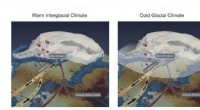
5. Cryosphere: The frozen part of the Earth, including glaciers, ice sheets, and permafrost. The cryosphere plays a crucial role in regulating Earth's climate and influencing sea level.
Interconnections and Feedback Loops:
The Earth's system is characterized by complex interactions and feedback loops between these spheres. For example:
* Climate change: Changes in the atmosphere (increased greenhouse gases) can influence the biosphere (shifts in plant and animal distribution), the cryosphere (melting glaciers), and the hydrosphere (rising sea levels).
* Plate tectonics: Geological activity in the geosphere can lead to volcanic eruptions that release gases into the atmosphere, influencing climate and the biosphere.
* Water cycle: Water from the hydrosphere evaporates into the atmosphere, condenses to form clouds, and falls back to Earth as precipitation, impacting the geosphere through erosion and the biosphere through water availability.
Systemic Approach:
Understanding Earth Science as a system allows us to:
* Recognize the interconnectedness of Earth's processes.
* Predict how changes in one component can impact other components.
* Develop sustainable solutions to environmental challenges.
In conclusion, Earth Science is considered a system due to its complex interplay of interconnected components and the feedback loops that drive its dynamic processes. This systemic approach allows us to better comprehend the intricate workings of our planet and address the environmental challenges we face.