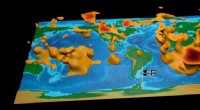
1. Plate Tectonics: This is the fundamental driving force behind many of Earth's surface features. The Earth's outer layer is broken into large plates that move slowly over the mantle. These plates collide, separate, and slide past each other, resulting in:
* Mountain ranges: When plates collide, the landmass is pushed upwards, forming mountain ranges like the Himalayas.
* Volcanoes: When plates pull apart, magma rises from the mantle and erupts, forming volcanoes.
* Earthquakes: The shifting and grinding of plates can cause earthquakes, releasing energy that shakes the ground.
2. Erosion: This is the gradual wearing away of rock and soil by natural forces. The main agents of erosion are:
* Water: Rivers, rain, and ocean waves can carve out valleys, canyons, and coastlines.
* Wind: Wind can carry sand and dust, eroding rock and shaping landscapes like sand dunes.
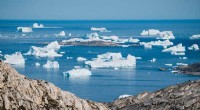
* Ice: Glaciers can carve out valleys, transport rock and sediment, and shape mountains.
3. Weathering: This is the breakdown of rocks, soil, and minerals through contact with Earth's atmosphere, water, and biological organisms. Weathering can be:
* Physical weathering: This involves breaking down rocks into smaller pieces without changing their chemical composition. Examples include frost wedging (where water freezes in cracks and expands, breaking the rock) and abrasion (the grinding of rocks against each other).
* Chemical weathering: This involves changing the chemical composition of rocks, weakening them and making them easier to break down. Examples include oxidation (rusting) and acid rain.
These three processes (plate tectonics, erosion, and weathering) work together over vast periods of time to shape the Earth's surface, creating the mountains, valleys, canyons, and coastlines we see today.