Negative Impacts:
* Habitat Loss and Fragmentation: As human populations grow, they often encroach on natural habitats, converting forests, wetlands, and grasslands into urban areas, farmland, and infrastructure. This leads to habitat loss, which directly affects biodiversity and can threaten species with extinction. Fragmentation, where large habitats are divided into smaller, isolated patches, also disrupts ecological processes and can lead to increased vulnerability to disease and extinction.
* Pollution: Dense populations generate large amounts of waste, including sewage, industrial byproducts, and agricultural runoff. These pollutants can contaminate water sources, soil, and air, harming wildlife, ecosystems, and human health.
* Resource Depletion: High population density puts a strain on natural resources, including water, timber, and minerals. Overexploitation of these resources can lead to depletion, impacting ecosystems and threatening future generations' access to these vital resources.
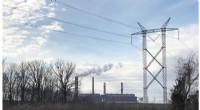
* Climate Change: Dense populations contribute significantly to greenhouse gas emissions from transportation, industry, and energy production. These emissions drive climate change, which has far-reaching consequences for ecosystems, including rising sea levels, changes in weather patterns, and habitat loss.
* Invasive Species: Urban areas and transportation networks can act as pathways for invasive species, which can outcompete native species, disrupt food webs, and alter ecosystems.
Positive Impacts:
* Conservation Efforts: Dense populations often have higher awareness of environmental issues and contribute more to conservation efforts, including supporting nature reserves, wildlife sanctuaries, and sustainable practices.
* Technological Advancements: Urbanization and innovation can drive the development of sustainable technologies, such as renewable energy sources, efficient transportation systems, and advanced waste management practices.
* Focus on Resource Management: The need to manage scarce resources in densely populated areas can lead to more efficient resource utilization and sustainable practices.
* Education and Awareness: Dense populations often have greater access to education and information, which can lead to increased awareness of environmental issues and a stronger commitment to sustainability.
Managing the Impacts:
To mitigate the negative impacts of dense populations, it's crucial to:
* Promote sustainable urban planning: This includes efficient transportation systems, green infrastructure, and mixed-use zoning to minimize environmental footprint.
* Implement effective resource management strategies: This involves reducing consumption, promoting recycling, and adopting sustainable practices in agriculture, forestry, and other sectors.
* Invest in renewable energy sources: Shifting towards renewable energy can significantly reduce greenhouse gas emissions and minimize reliance on fossil fuels.
* Protect and restore natural habitats: Establishing protected areas, reforestation projects, and habitat restoration efforts are essential for preserving biodiversity and ecosystem services.
* Increase public awareness and education: Promoting environmental literacy and fostering a sense of responsibility towards the environment can drive positive change.
In conclusion, dense populations present both challenges and opportunities for the natural environment. By addressing these challenges and harnessing the potential of innovation and awareness, we can strive for a more sustainable future for both humans and the natural world.