Science:
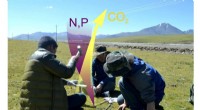
* Empirical Observation: Geographers use scientific methods to observe, measure, and analyze the Earth's physical and human features.
* Data Analysis: They employ statistical techniques, spatial analysis, and geographic information systems (GIS) to interpret data and draw conclusions.
* Theory and Models: Geography uses scientific theories and models to explain geographic phenomena, such as climate patterns, population distribution, and environmental change.
* Predictive Power: Geographic knowledge can be used to predict future trends and understand potential risks.
Art:
* Spatial Representation: Geographers use maps, graphs, charts, and other visual tools to communicate their findings in a visually compelling way.
* Storytelling: Geography involves the ability to tell stories about places and people, drawing connections and highlighting patterns.
* Creativity and Imagination: Geographers need imagination to develop new research questions and explore different perspectives on the world.
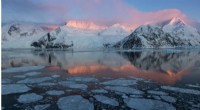
* Aesthetic Appreciation: Geography encompasses the study of landscapes and their beauty, fostering a sense of appreciation for the natural world.
In essence, geography is a field that combines scientific rigor with artistic expression. It allows us to understand the world around us in both analytical and aesthetic terms.