Land degradation refers to the decline in the quality and productivity of land due to various human-induced processes. It encompasses a wide range of detrimental changes, including:
1. Soil Degradation:
* Erosion: Wind and water carry away topsoil, reducing its fertility and ability to support plant life.
* Salinization: Excessive irrigation or poor drainage leads to salt accumulation in the soil, making it unsuitable for most crops.
* Nutrient depletion: Overuse of land for agriculture can deplete essential nutrients like nitrogen and phosphorus, impacting plant growth.
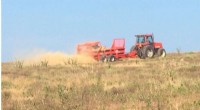
* Compaction: Heavy machinery and livestock trampling can compress the soil, hindering root development and water infiltration.
2. Loss of Vegetation:
* Deforestation: Clearing forests for timber, agriculture, or development removes vegetation cover, leading to soil erosion and habitat loss.
* Overgrazing: Excessive grazing by livestock can damage vegetation, expose soil, and reduce biodiversity.
* Desertification: The expansion of deserts due to climate change, deforestation, and overgrazing, resulting in loss of fertile land.
3. Water Degradation:
* Pollution: Industrial waste, agricultural runoff, and sewage contaminate water sources, affecting water quality and harming aquatic ecosystems.
* Over-extraction: Excessive withdrawal of groundwater can lead to depletion of water reserves and land subsidence.
4. Other Forms of Land Degradation:
* Pollution: Air pollution, industrial waste, and chemical spills can contaminate land and harm organisms.
* Urban sprawl: Expansion of cities and towns leads to loss of agricultural land, fragmentation of natural habitats, and increased pollution.
Consequences of Land Degradation:
* Reduced food production: Less fertile land results in lower crop yields and food security threats.
* Loss of biodiversity: Degraded land supports fewer species, impacting ecosystems and their services.
* Increased risk of natural disasters: Eroded land is more susceptible to floods, droughts, and landslides.
* Economic losses: Reduced agricultural productivity, higher costs for remediation, and loss of livelihoods.
* Forced migration: Degraded land can lead to displacement of people due to scarcity of resources.
Addressing Land Degradation:
* Sustainable land management practices: Implementing techniques such as crop rotation, conservation tillage, and agroforestry.
* Reforestation and afforestation: Planting trees to restore degraded land and combat desertification.
* Water conservation and management: Efficient irrigation techniques, rainwater harvesting, and reducing water pollution.
* Policy and legislation: Strong regulations to protect land resources and promote sustainable practices.
* Raising awareness: Educating people about the importance of land conservation and its impact on society.
Land degradation is a serious threat to our planet and its inhabitants. By understanding the causes and consequences, we can take collective action to restore and protect this vital resource for future generations.