Here are two common ways to classify habitats, each with multiple types:
1. By Location:
* Terrestrial: Land-based habitats like forests, grasslands, deserts, tundra, mountains.
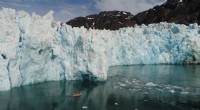
* Aquatic: Water-based habitats like oceans, lakes, rivers, wetlands.
2. By Biome:
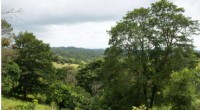
* Forest: Densely populated with trees.
* Grassland: Dominated by grasses and herbaceous plants.
* Desert: Dry and arid with sparse vegetation.
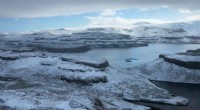
* Tundra: Cold and treeless with permafrost.
* Aquatic: Includes freshwater and marine habitats.
It's important to remember that these are just two broad categories. Within each category, there are countless variations and sub-categories of habitats, each with its own unique set of conditions and species. For example, within the "forest" biome, you might find rainforests, deciduous forests, coniferous forests, etc.
Therefore, instead of focusing on just "two" types of habitats, it's more beneficial to consider the vast diversity of habitats that exist on our planet.