* Gravity: Water flows downhill. Highlands are elevated areas, providing the necessary slope for water to flow downwards and create a river.
* Precipitation: Highlands often receive more precipitation than lowlands. This can come in the form of rain, snow, or even glacial meltwater. The excess water has to go somewhere, and it flows downhill, eventually forming a river.
* Groundwater: Highlands often have a higher water table, meaning groundwater is closer to the surface. This groundwater can seep out and contribute to the formation of rivers.
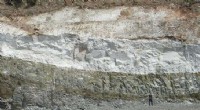
* Erosion: The constant flow of water, especially in highlands, can erode the land, carving out channels that become the riverbeds.
In summary: The combination of gravity, precipitation, groundwater, and erosion creates the perfect conditions for rivers to originate in highlands.