Here's what you need to know about pastoral landscapes:
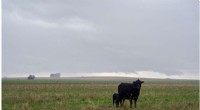
* Definition: These are areas of land dedicated to raising livestock, primarily through grazing. They can be diverse in their form, ranging from open grasslands to rolling hills, valleys, and even mountainous regions.
* Characteristics:
* Vegetation: Dominated by grasses, forbs, and other herbaceous plants that provide sustenance for livestock.
* Climate: Typically characterized by semi-arid or arid conditions, though can vary significantly based on location.
* Land use: Primarily used for grazing, but often involves activities like hay production, rotational grazing, and sometimes other forms of agriculture.
* Types:
* Pastures: Fenced areas of land specifically dedicated to grazing.
* Rangelands: Large, open areas of land with less intensive management, often encompassing vast regions like the Great Plains of North America.
* Importance:
* Food production: Pastoral landscapes play a vital role in supplying meat, milk, and other animal products.
* Biodiversity: They can be important habitats for a range of animals and plants, including rare or endangered species.
* Cultural significance: In many parts of the world, pastoralism is deeply ingrained in cultural practices and traditions.
Key factors that influence the formation of pastoral landscapes:
* Climate: Rainfall patterns, temperature, and other climatic factors determine the types of vegetation that can thrive.
* Soil: Soil type and fertility influence the growth of grasses and other plants.
* Topography: The shape of the land (hills, valleys, plains) affects grazing patterns and land management practices.
* Human activities: The history of land use, such as deforestation, agriculture, and livestock grazing, significantly shapes these landscapes.
Examples of pastoral landscapes:
* The Great Plains of North America: Famous for their vast grasslands and cattle ranching.
* The Pampas of Argentina: Known for their fertile grasslands and sheep grazing.
* The steppes of Central Asia: A region characterized by extensive grasslands and nomadic pastoralism.
Understanding pastoral landscapes is essential for understanding the relationship between humans, animals, and the environment. It's a complex and dynamic system that plays a crucial role in global food security and ecological sustainability.