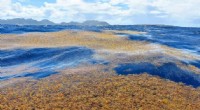
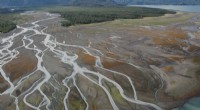
Here are some possibilities of what might be meant by "serrated landscape":
1. Mountains with Sharp Peaks:
* Alpine Landscapes: These are typically high-altitude landscapes with jagged peaks, steep slopes, and deep valleys. They often form due to glacial erosion, which carves out sharp ridges and peaks.
* Volcanic Landscapes: Some volcanic landscapes can have sharp, serrated features, especially if they are made of solidified lava flows with jagged edges.
2. Coastal Landscapes with Sharp Cliffs:
* Fjord Coastlines: Fjord landscapes are characterized by deep, narrow inlets carved by glaciers. These inlets can have steep, serrated cliffs that form dramatic coastlines.
* Eroded Coastlines: Coastal erosion from waves, wind, and rain can also create sharp, jagged cliffs and rocky shores.
3. Eroded Landscapes with Jagged Features:
* Badlands: Badlands are landscapes formed by erosion, often by water or wind, that creates a network of deep canyons, ravines, and sharp, jagged ridges.
* Karst Landscapes: These landscapes are characterized by soluble bedrock, often limestone, which is dissolved by water. This can create sharp, jagged pinnacles, caves, and other features.
4. Man-Made Landscapes:
* Industrial Landscapes: Some industrial landscapes, especially mining areas or quarry sites, can have a jagged, serrated appearance due to excavation and blasting.
To understand what is meant by "serrated landscape," you need more context:
* Location: Where is this landscape located?
* Geological Formation: What is the underlying rock type and how was it formed?
* Erosive Forces: What forces have shaped this landscape?
By providing more information, you can get a more precise understanding of what is meant by "serrated landscape."