1. Water Management:
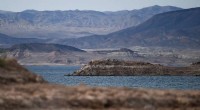
* Dams and Reservoirs: The construction of dams like the Glen Canyon Dam and the numerous reservoirs across the state (e.g., Lake Powell, Blue Mesa Reservoir) have significantly impacted water flow, ecological balance, and recreational opportunities. This interaction has both positive and negative consequences.
* Water Diversion: Colorado's water is used for irrigation, municipal supplies, and hydropower generation. This extensive diversion system alters natural water flows, impacting ecosystems and potentially causing conflicts between users.
* Water Conservation: Growing awareness of water scarcity in Colorado has led to water conservation efforts. People are adopting water-saving practices in their homes and businesses, leading to reduced water consumption and environmental benefits.
2. Land Use:
* Urbanization: Colorado's population is growing, leading to increased urbanization. This development impacts natural landscapes, disrupts wildlife habitats, and increases pollution and resource consumption.
* Agriculture: Colorado's agricultural industry relies heavily on water resources, leading to irrigation and soil management practices that can impact the environment. This includes potential soil degradation, overuse of fertilizers and pesticides, and changes to water cycles.
* Tourism: Colorado's stunning natural beauty attracts millions of tourists, leading to increased infrastructure development, traffic congestion, and impacts on sensitive ecosystems, particularly in national parks and wilderness areas.
3. Resource Extraction:
* Mining: Mining operations in Colorado have extracted valuable resources like gold, silver, and coal. This has resulted in environmental impacts such as deforestation, habitat loss, and potential contamination of water sources.
* Oil and Gas Extraction: Fracking and other unconventional oil and gas extraction methods in Colorado have raised concerns about potential groundwater contamination, air pollution, and seismic activity.
4. Climate Change Adaptation:
* Wildfire Mitigation: Increased temperatures and drier conditions in Colorado have led to more frequent and severe wildfires. This has spurred efforts to manage forest health, reduce wildfire risks, and adapt to changing fire regimes.
* Water Infrastructure: Colorado is investing in water infrastructure projects to adapt to climate change impacts such as increased drought and reduced snowpack. This includes improving water storage, water conservation measures, and drought planning.
5. Environmental Conservation and Restoration:
* National Parks and Wilderness Areas: Colorado is home to numerous national parks and wilderness areas, showcasing the state's natural beauty and providing opportunities for recreation and wildlife conservation.
* Reforestation and Habitat Restoration: Efforts are underway to restore degraded landscapes and habitats, particularly in areas affected by mining or wildfire. These projects aim to enhance biodiversity, mitigate erosion, and improve water quality.
These are just a few examples of how humans interact with the environment in Colorado. Understanding these interactions is crucial for sustainable development and ensuring the long-term health of the state's natural resources.