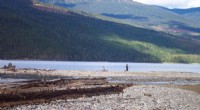
* Resource Abundance is Variable: Different resources exist in vastly different quantities. Some, like water, are abundant but unevenly distributed. Others, like rare earth minerals, are scarce.
* Consumption Rates Vary: How quickly we use up resources depends on technology, population growth, and consumption patterns. Our needs and demands are constantly evolving.
* Resource Extraction and Recycling: Technological advancements influence our ability to extract resources, and recycling plays a significant role in extending the lifespan of finite resources.
* Resource Substitution: As one resource becomes scarce, we can often find alternatives. For example, solar and wind energy are replacing fossil fuels.
However, some resources are considered more at risk of depletion:
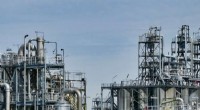
* Fossil Fuels: Oil, coal, and natural gas are finite resources. While we may have decades of oil reserves, eventually, they will be depleted.
* Rare Earth Minerals: These are crucial for many technologies, but they are limited in supply and often mined in environmentally damaging ways.
* Freshwater: While water is a renewable resource, access to clean freshwater is increasingly becoming a concern due to pollution, overuse, and climate change.
It's crucial to remember that "running out" is not a sudden event. It's a gradual process of increasing scarcity and rising costs, leading to potential shortages and societal challenges.
We need to focus on:
* Sustainable Resource Management: Using resources responsibly and minimizing waste.
* Investing in Renewable Energy: Shifting to cleaner, more sustainable energy sources.
* Technological Innovation: Developing new ways to extract, recycle, and substitute resources.
By addressing these issues, we can ensure a more sustainable future for ourselves and future generations.