Housing and Shelter:
* Elevated Dwellings: Many rainforest communities build homes raised off the ground, often on stilts, to avoid flooding and to escape from dangerous wildlife.
* Natural Materials: Houses are often constructed from readily available materials like bamboo, palm leaves, and vines, promoting sustainability and blending seamlessly with the environment.
* Adaptable Architecture: Houses are designed with ventilation and open spaces to allow air circulation and prevent overheating in the humid climate.
Food and Agriculture:
* Diverse Diet: Rainforests provide a rich bounty of edible plants, fruits, nuts, and animals. People have developed deep knowledge of edible species and safe harvesting practices.
* Slash-and-Burn Agriculture: This traditional method involves clearing small patches of forest for farming, then letting the land regenerate after a few years. It allows for cyclical use of resources and minimal environmental impact.
* Forest Gardening: This technique involves growing a variety of plants together, mimicking the natural biodiversity of the rainforest, providing a sustainable food source.
Clothing and Protection:
* Light and Breathable Fabrics: Clothing is often made from natural materials like cotton or linen, allowing for ventilation and comfort in the hot, humid climate.
* Protection from the Elements: Rainforest dwellers often wear hats and waterproof clothing to shield themselves from the sun and frequent rainfall.
* Protective Measures: Knowledge of local venomous creatures and plants is crucial for safety, with specialized clothing and practices used to avoid contact.
Social and Cultural Adaptations:
* Strong Community Ties: Rainforest communities rely heavily on cooperation and sharing to survive, fostering strong social bonds and a sense of interdependence.
* Deep Knowledge of the Environment: Extensive knowledge of plants, animals, and the rainforest's natural rhythms is passed down through generations, allowing people to sustainably utilize the ecosystem.
* Spiritual Connections: Many rainforest cultures have deep spiritual connections to the forest, respecting its power and understanding its importance for their well-being.
Health and Well-being:
* Traditional Medicine: Rainforest cultures have developed sophisticated systems of traditional medicine, utilizing plants and natural remedies to treat illnesses.
* Adaptation to Climate: Living in a tropical environment often results in high tolerance to heat and humidity, along with strong immune systems developed through exposure to diverse flora and fauna.
Important Considerations:
* Sustainable Practices: It's crucial to recognize the importance of sustainable practices to preserve the delicate balance of the rainforest ecosystem.
* Respect for Indigenous Knowledge: The knowledge and practices of indigenous communities are invaluable for understanding and protecting rainforests.
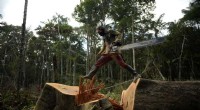
* Ongoing Challenges: Rainforest dwellers continue to face challenges related to deforestation, climate change, and the encroachment of outside influences.
By adapting to the unique conditions of the rainforest, people have developed a rich tapestry of cultural practices, knowledge, and skills that ensure their survival and thrive in this remarkable environment.