Hard Skills:
* Scientific Knowledge: A strong foundation in biology, chemistry, geology, ecology, and other relevant sciences is crucial for understanding environmental processes and problems.
* Data Analysis: Proficiency in statistical software and data analysis techniques is essential for interpreting and presenting research findings.
* Research Methods: Experience with conducting field studies, laboratory experiments, and data collection is vital for gathering reliable information.
* Environmental Modeling: Ability to use computer simulations to predict environmental impacts and develop solutions.
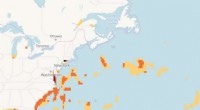
* GIS (Geographic Information Systems): Knowledge of GIS software and techniques is useful for mapping environmental data and analyzing spatial patterns.
Soft Skills:
* Critical Thinking: The ability to analyze complex environmental issues, identify potential solutions, and evaluate their effectiveness.
* Problem-Solving: Resourcefulness in finding innovative solutions to environmental challenges, often with limited resources and constraints.
* Communication: Excellent written and verbal communication skills are essential for conveying complex scientific information to a variety of audiences, including researchers, policymakers, and the public.
* Collaboration: Ability to work effectively in teams with other scientists, engineers, and community members.
* Adaptability: Willingness to learn new technologies, adapt to changing environmental conditions, and work in diverse settings.
* Patience: Environmental research often involves long-term studies and the need to persevere in the face of setbacks.
* Passion for the Environment: A deep commitment to protecting and improving the environment is vital for motivating and sustaining the demanding work of an environmental scientist.
Beyond these specific skills, an environmental scientist should also be:
* Detail-oriented: Careful attention to detail is essential for accurate data collection and analysis.
* Organized: Effective time management and organizational skills are necessary to manage multiple projects and deadlines.
* Independent: The ability to work independently and take initiative is important, especially for fieldwork and research.
* Ethical: A strong sense of ethics and responsibility for environmental stewardship is essential.
Ultimately, the best environmental scientists possess a unique combination of technical expertise and personal qualities that allow them to effectively address the complex challenges facing our planet.