Factors Contributing to Flooding:
* Heavy Rainfall: The most common cause of flooding is excessive rainfall, which overwhelms the capacity of drainage systems, rivers, and natural watercourses.
* Snowmelt: Rapid melting of snow can contribute to flooding, especially if the ground is already saturated with water.
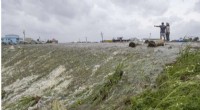
* Storm Surges: Coastal areas are vulnerable to storm surges, which are abnormal rises in sea level caused by strong winds pushing water towards the shore.
* Blocked Drainage: Obstructed drainage systems, such as clogged storm drains, can lead to localized flooding.
* Urbanization: Development and urbanization often involve paving over land, which reduces the ability of the ground to absorb rainwater, increasing runoff and the risk of flooding.
* River Overflow: When rivers and streams rise above their banks due to heavy rainfall or snowmelt, they can cause widespread flooding.
* Dam Failures: Dams that fail can release large volumes of water, leading to catastrophic flooding downstream.
Role of Trees in Flood Mitigation:
* Interception: Trees can intercept rainfall and slow its flow to the ground, reducing runoff and soil erosion.
* Infiltration: Tree roots help to loosen and aerate the soil, promoting infiltration of rainwater into the ground, where it can be stored and slowly released.
* Evapotranspiration: Trees absorb water from the soil and release it into the atmosphere through transpiration, further reducing runoff and lowering water levels.
Conclusion:
While trees can play a significant role in reducing flooding, their absence alone doesn't guarantee flooding will occur. Flooding is a complex phenomenon influenced by various factors, and it's important to address the underlying causes rather than solely focusing on the presence or absence of trees.