Mammals:
* Large Herbivores: Deer, elk, moose, rabbits, squirrels, chipmunks
* Carnivores: Wolves, coyotes, foxes, bobcats, bears, lynx, weasels, badgers
* Omnivores: Raccoons, opossums, skunks, squirrels
* Small Mammals: Mice, voles, shrews, bats
Birds:
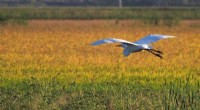
* Migratory Birds: Warblers, flycatchers, orioles, hummingbirds, robins
* Resident Birds: Woodpeckers, owls, hawks, crows, blue jays, cardinals
Reptiles and Amphibians:
* Reptiles: Snakes, turtles, lizards
* Amphibians: Frogs, toads, salamanders
Insects:
* Butterflies: Monarchs, swallowtails
* Beetles: Ladybugs, June bugs
* Ants: Carpenter ants, fire ants
* Bees: Honeybees, bumblebees
Other:
* Fish: Trout, bass, catfish in nearby streams and rivers
* Amphibians: Frogs, salamanders, newts
* Insects: Butterflies, moths, beetles, ants, bees
Adaptations to Seasonal Changes:
Animals in seasonal forests have evolved various strategies to cope with the changing seasons:
* Migration: Many birds migrate south for the winter, seeking warmer temperatures and food sources.
* Hibernation: Some mammals like bears, groundhogs, and bats hibernate during the winter, conserving energy by lowering their body temperature and metabolism.
* Food Storage: Squirrels and other rodents collect and store food for the winter, ensuring their survival when resources are scarce.
* Camouflage: Animals like deer and rabbits change their fur color to blend in with their surroundings, offering protection from predators.
* Shedding: Some animals shed their thick fur coats in the summer, allowing them to stay cool.
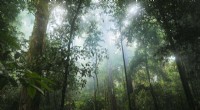
The specific types of animals found in a seasonal forest will vary depending on the location, climate, and ecosystem. However, the general adaptations and diversity mentioned above are characteristic of these environments.