Plants:
* Trees: Oak, pine, maple, birch, redwood, fir, etc. (the dominant feature of a forest)
* Shrubs: Rhododendron, azalea, blackberry bushes, etc.
* Grasses: Various types depending on the forest floor conditions.
* Mosses and Ferns: Often found in damp, shady areas.
* Wildflowers: Spring ephemerals, wildflowers that bloom in the spring, like trillium and violets.
* Mushrooms and Fungi: Decomposers that play a vital role in the forest ecosystem.
Animals:
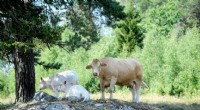
* Mammals: Deer, squirrels, rabbits, chipmunks, bears, foxes, wolves, etc.
* Birds: Woodpeckers, owls, hawks, robins, warblers, etc.
* Reptiles: Snakes, turtles, lizards.
* Amphibians: Frogs, toads, salamanders.
* Insects: Ants, beetles, butterflies, moths, bees, etc.
* Fish: Found in streams and rivers within the forest.
Other Organisms:
* Bacteria and Microorganisms: Essential for decomposition and nutrient cycling.
Important Note: The specific living things you'll find in a forest depend on factors like:
* Location: Forests in different parts of the world have different plant and animal species.
* Climate: Temperature, rainfall, and sunlight influence the types of life that can survive.
* Elevation: Forests at higher elevations often have different plant and animal communities.
* Human Impact: Logging, pollution, and habitat destruction can affect the diversity of life in a forest.
Exploring a forest is a great way to discover the incredible variety of life that thrives there!