Here's a breakdown:
* Natural Processes: This encompasses a wide range of phenomena like:
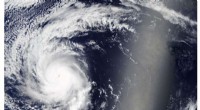
* Physical processes: Weather patterns, climate change, erosion, plate tectonics, water cycles, etc.
* Biological processes: Ecosystems, biodiversity, population dynamics, food webs, etc.
* Chemical processes: Nutrient cycles, pollution, atmospheric chemistry, etc.
* Human Impact: Environmental science explores how human activities alter these natural processes. This includes:
* Pollution: Air, water, and soil pollution from various sources.
* Climate change: Greenhouse gas emissions and their impact on global warming.
* Habitat destruction: Deforestation, urbanization, and other forms of land use change.
* Resource depletion: Overfishing, mining, and overuse of natural resources.
* Biodiversity loss: Extinction rates and threats to species diversity.
Environmental science is an interdisciplinary field that draws on knowledge from various disciplines like:
* Biology: Understanding ecosystems, biodiversity, and the interactions between organisms.
* Chemistry: Studying chemical reactions and pollution in the environment.
* Physics: Analyzing energy flow, climate patterns, and physical processes.
* Geology: Examining the Earth's structure, resources, and geological processes.
* Sociology: Investigating human behavior and its impact on the environment.
* Economics: Analyzing the costs and benefits of environmental policies.
The goal of environmental science is to understand how these processes work, predict the consequences of human actions, and develop solutions for sustainable living.