Water:
* Erosion: Water is a major agent of erosion, carrying away sediment and soil. This can happen in various ways:
* Rivers: Flowing water carves out river valleys, canyons, and gorges.
* Oceans: Waves erode coastlines, creating cliffs, beaches, and sea stacks.
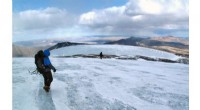
* Glaciers: Massive ice sheets carve out valleys, fjords, and lakes.
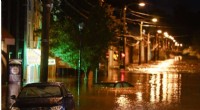
* Rainfall: Heavy rainfall can cause landslides and soil erosion.
* Deposition: Water also deposits sediment, creating landforms like:
* Deltas: Where rivers meet the sea, sediment is deposited.
* Alluvial Fans: Sediment deposited at the base of mountains.
* Sandbars: Sand deposited by currents along coastlines.
* Weathering: Water plays a role in weathering, the breakdown of rocks.
* Chemical Weathering: Water dissolves minerals in rocks, weakening them.
* Physical Weathering: Freezing and thawing of water in cracks can break rocks.
* Landform Creation: Water plays a major role in creating various landforms:
* Caves: Dissolving limestone by groundwater creates caves.
* Sinkholes: Collapse of underground cavities created by dissolving limestone.
* Karst Topography: A landscape characterized by sinkholes, caves, and underground drainage systems.
Wind:
* Erosion: Wind can erode soil and rock:
* Deflation: Wind picks up loose particles, carrying them away.
* Abrasion: Wind-borne particles sandblast rocks, creating smooth surfaces.
* Deposition: Wind also deposits sediment, creating:
* Sand Dunes: Wind piles up sand, forming dunes of various shapes.
* Loess Deposits: Wind-blown silt deposited in thick layers.
* Dust Storms: Large amounts of dust carried by wind over long distances.
* Weathering: Wind can contribute to weathering:
* Physical Weathering: Wind can wear down rocks through abrasion.
* Landform Creation: Wind creates unique landforms:
* Yardangs: Elongated, wind-eroded ridges sculpted by wind.
* Ventifacts: Rocks shaped and polished by wind abrasion.
* Desert Pavement: A surface of tightly packed pebbles left after wind erodes finer material.
Interaction of Water and Wind:
* Water can create conditions that enhance wind erosion: Dried-out riverbeds and exposed soil become more susceptible to wind erosion.
* Wind can transport water: Wind can carry water droplets as rain or snow, contributing to erosion and deposition.
In summary, water and wind work together to constantly shape the Earth's surface, creating a dynamic and ever-changing landscape.