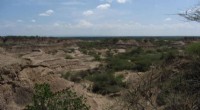
Physical Weathering
* Definition: The breakdown of rocks and minerals into smaller pieces without changing their chemical composition.
* Mechanism: Mechanical forces like:
* Frost wedging: Water freezing in cracks and expanding, breaking rocks apart.
* Root wedging: Growing tree roots exerting pressure on rock.
* Abrasion: Rocks grinding against each other due to wind, water, or ice movement.
* Thermal expansion/contraction: Repeated heating and cooling causing rocks to expand and contract, leading to fracturing.
* Result: Smaller rock fragments, increased surface area, and potential for further weathering.
Natural Erosion
* Definition: The transport of weathered material from one location to another by natural forces.
* Mechanism: Agents of erosion include:
* Water: Rivers, streams, waves, and rain carry away weathered material.
* Wind: Blows sand and dust, creating dunes and sculpting rock formations.
* Ice: Glaciers carve out valleys and transport massive amounts of rock.
* Gravity: Landslides and rockfalls move material downhill.
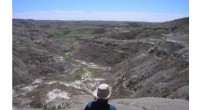
* Result: Reshaping of landscapes, deposition of sediment in new locations, and the formation of landforms like canyons, beaches, and deltas.
Comparison:
* Weathering: Breaks down rocks into smaller pieces.
* Erosion: Moves weathered material.
* Relationship: Weathering provides the material for erosion.
In essence:
* Physical weathering prepares the rock for erosion.
* Erosion then transports the weathered material, shaping the landscape.
Example: Imagine a granite cliff:
* Weathering: Frost wedging breaks off pieces of the cliff.
* Erosion: Rain washes these pieces into a river, which carries them downstream, where they are deposited as sediment, forming a delta.
Therefore, while both physical weathering and erosion contribute to the Earth's dynamic surface, they operate differently. Weathering breaks down rocks, while erosion transports the resulting material. Together, they create the diverse landscapes we see today.