Earth science is a broad field encompassing many disciplines. Here are some examples of researched topics within each field:
Geology:
* Plate tectonics: Understanding the movement of tectonic plates, their interactions, and their impact on earthquakes, volcanoes, and mountain formation.
* Geochemistry: Studying the chemical composition of Earth's materials and how they change over time, including rock formation, mineral deposits, and the origin of life.
* Petrology: Examining the origin, composition, structure, and history of rocks, including igneous, sedimentary, and metamorphic rocks.
* Paleontology: Studying fossils and ancient lifeforms to understand Earth's history, evolution, and past environments.
* Geophysics: Using physical methods like seismic waves, gravity, and magnetic fields to investigate Earth's interior, structure, and composition.
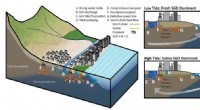
* Hydrogeology: Studying the movement and distribution of groundwater, including its quality, contamination, and management.
Meteorology:
* Weather forecasting: Using atmospheric data to predict future weather conditions and events like storms, temperature changes, and precipitation.
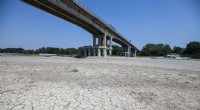
* Climate change: Studying the long-term changes in Earth's climate system, including the causes, impacts, and potential mitigation strategies.
* Atmospheric chemistry: Examining the composition of the atmosphere, chemical reactions, and their effects on air quality, climate, and human health.
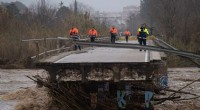
* Severe weather: Investigating extreme weather phenomena like tornadoes, hurricanes, and floods to understand their formation, intensity, and potential impacts.
Oceanography:
* Ocean currents: Studying the movement of ocean water, its influence on climate, and its role in the global transport of heat and nutrients.
* Marine biology: Investigating the diversity, ecology, and evolution of marine life, including fish, mammals, and coral reefs.
* Marine geology: Examining the ocean floor, its structure, formation, and the processes that shape it, including plate tectonics and sedimentation.
* Ocean chemistry: Studying the chemical composition of ocean water, its interaction with the atmosphere, and its role in carbon cycling.
Environmental Science:
* Pollution: Studying the sources, transport, and impacts of various pollutants, including air, water, and soil contamination.
* Climate change impacts: Investigating the effects of climate change on ecosystems, human societies, and infrastructure.
* Resource management: Managing and conserving natural resources like water, forests, and minerals for sustainable use.
* Environmental policy: Developing and evaluating policies aimed at protecting the environment and promoting sustainable development.
Astrogeology:
* Planetary geology: Studying the geology of other planets and moons in the solar system, including their composition, structure, and evolution.
* Impact cratering: Investigating the formation of craters on Earth and other planets, and their significance for understanding planetary history and evolution.
* Search for life: Exploring the potential for past or present life on other planets and moons.
This is just a small selection of research topics within Earth science. The specific research questions investigated within each field are constantly evolving, driven by new discoveries, technological advancements, and societal needs.