Abiotic Components are the non-living parts of an environment, like:
* Temperature: How hot or cold it is.
* Water: The amount and quality of water.
* Sunlight: The amount of sunlight reaching the area.
* Soil: The composition and nutrients in the soil.
* Air: The composition and quality of the air.
Actions Influencing Abiotic Components:
1. Human Activity:
* Pollution: Industrial emissions, chemical runoff, and waste all degrade air, water, and soil quality.
* Deforestation: Removing trees disrupts water cycles, increases soil erosion, and alters temperature and sunlight patterns.
* Urbanization: Concrete and asphalt surfaces affect water runoff, change microclimates, and create "heat islands."
* Agriculture: Pesticides, fertilizers, and irrigation practices all alter soil composition and water quality.
2. Natural Events:
* Volcanic Eruptions: Release ash and gases that change air quality and soil composition.
* Earthquakes: Can alter landforms, change water flow, and impact soil structure.
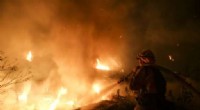
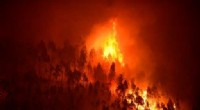
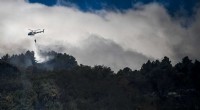
* Wildfires: Clear vegetation, change soil nutrients, and release smoke into the atmosphere.
* Climate Change: Altering temperatures, precipitation patterns, and sea levels, which drastically impact all abiotic components.
So, which action is MOST impactful?
It really depends on the specific environment and the scale of the action. But climate change is arguably the most significant influence on abiotic components globally. It's causing widespread shifts in temperature, precipitation, and sea levels, leading to drastic changes in ecosystems and affecting all other abiotic factors.
Remember: It's important to consider the interconnectedness of all these factors. A change in one abiotic component often has a ripple effect on others, affecting the entire environment.