Erosion:
* Wind erosion: Strong winds can pick up and carry away loose sediment, like sand and soil, gradually smoothing out hills and valleys. This is especially common in arid and semi-arid regions.
* Water erosion: Rivers, streams, and even rain can carve out channels and canyons, eventually wearing down mountains and hills. The process of weathering (breaking down rocks) also plays a role in erosion.
* Glacial erosion: Massive glaciers can carve out valleys and scrape away mountains as they move, leaving behind relatively flat areas. This is especially common in high-latitude and mountainous regions.
Geological Processes:
* Tectonic activity: While often associated with mountain building, tectonic plates can also cause land to flatten in certain scenarios. For example, the slow movement of plates can create vast plains.
* Volcanic activity: Large volcanic eruptions can bury existing landscapes under layers of lava and ash, creating flat, smooth surfaces.
Other Factors:
* Sedimentation: The deposition of sediment, such as sand, silt, and clay, can create flat areas, especially in floodplains, deltas, and coastal regions.
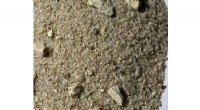
* Soil formation: The breakdown of rocks into soil can also lead to the gradual smoothing of landscapes.
Human Influence:
* Agriculture: Farming practices, particularly tilling, can alter the landscape and make it flatter over time.
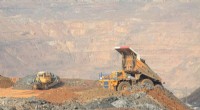
* Construction: Large-scale construction projects, such as highways and airports, can significantly change the landscape, sometimes creating flat areas.
It's important to note that landscape flattening is usually a very slow process that happens over millions of years. The specific forces at play and their impact will vary depending on the location and geological conditions.