1. Observational Studies:
* Focus: Describe patterns and relationships in nature.
* Examples:
* Surveys: Counting organisms in a defined area (e.g., bird surveys, plant censuses).
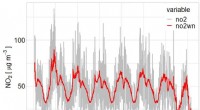
* Monitoring: Tracking changes in populations or environmental variables over time (e.g., long-term monitoring of climate change impacts).
* Phenology studies: Observing seasonal events in nature (e.g., bird migration patterns, plant blooming times).
2. Experimental Studies:
* Focus: Manipulating variables to test hypotheses about cause-and-effect relationships.
* Examples:
* Field experiments: Manipulating factors in a natural setting (e.g., studying the effects of fertilizer on plant growth).
* Lab experiments: Controlling variables in a controlled environment (e.g., studying the effects of pollution on fish behavior).
* Mesocosm experiments: Intermediate scale experiments (e.g., studying the effects of invasive species in enclosed ecosystems).
3. Modeling Studies:
* Focus: Using mathematical or computational tools to simulate ecological processes and predict future outcomes.
* Examples:
* Population models: Predicting population growth and decline (e.g., modeling the impact of hunting on deer populations).
* Habitat models: Predicting the distribution of species based on environmental factors (e.g., modeling the suitable habitat for a threatened plant).
* Climate change models: Simulating the effects of climate change on ecosystems (e.g., predicting the impact of rising temperatures on coral reefs).
These three categories are not exhaustive, and many ecological studies combine elements of multiple approaches. For example, a researcher might use observational data to develop a hypothesis, then test that hypothesis with an experiment, and finally use modeling to predict future outcomes.