1. Deflation:
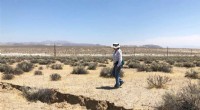
* Removal of fine particles: Wind, especially strong winds, can lift and carry away fine particles like silt and clay. This process, known as deflation, lowers the land surface, creating depressions and hollows.
* Formation of desert pavements: As fine particles are removed, coarser materials like gravel and pebbles are left behind, forming a hard, armored surface called desert pavement.
2. Abrasion:
* Sandblasting effect: Wind-blown sand particles act like tiny projectiles, impacting and eroding rock surfaces. This process, called abrasion, creates various landforms:
* Ventifacts: Rocks shaped and polished by wind-blown sand.
* Yardangs: Long, streamlined ridges sculpted by wind abrasion.
* Mushroom rocks: Rounded rocks with a narrow base and a wider, mushroom-like top.
3. Transportation and Deposition:
* Dust storms: Wind can carry vast amounts of dust and sediment over long distances, transporting them to new locations.
* Loess deposits: Accumulations of fine wind-blown silt, often fertile, creating loess plains.
* Sand dunes: Wind can pile up sand into various types of dunes, shaping the landscape dramatically.
Specific Impacts:
* Desertification: Wind erosion can accelerate desertification by removing topsoil and vegetation, making the land more vulnerable to further degradation.
* Dust bowls: Severe wind erosion can lead to dust storms that can travel for hundreds of miles, burying crops and causing widespread ecological damage.
* Land degradation: Wind erosion can degrade agricultural land by removing nutrients and organic matter, making it less productive.
* Coastal erosion: Wind can contribute to coastal erosion by eroding sand dunes and beaches, impacting coastal communities.
Human Impact:
* Land use practices: Agricultural practices like overgrazing and deforestation can expose the land to wind erosion.
* Climate change: Changes in precipitation patterns and wind speeds can exacerbate wind erosion.
Mitigation:
* Planting vegetation: Trees and grasses can help stabilize soil and reduce wind erosion.
* Terracing: Terracing can help slow down wind speed and prevent soil erosion.
* Crop rotation: Rotating crops can help prevent soil depletion and improve soil health.
* Conservation tillage: Minimizing soil disturbance can reduce wind erosion.
Wind erosion is a complex and dynamic process that can have a significant impact on the landscape. Understanding its mechanisms and the factors that influence it is crucial for mitigating its effects and protecting our environment.