The Immensity of the Task:
* Natural Objects: This includes everything from mountains, oceans, and forests to microscopic bacteria, viruses, and even individual atoms.
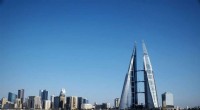
* Man-made Objects: This encompasses everything from buildings and cars to satellites, space debris, and the tiniest pieces of plastic pollution.
Categories of Objects:
To get a grasp of the vastness, we can look at some general categories:
* The Earth's Surface: Mountains, rivers, deserts, cities, buildings, roads, vehicles, plants, animals, people, etc.
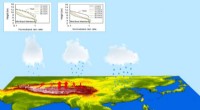
* The Earth's Atmosphere: Clouds, rain, snow, wind, birds, planes, satellites, space debris, etc.
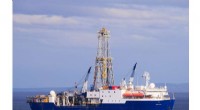
* The Earth's Oceans: Fish, whales, coral reefs, sunken ships, oil rigs, etc.
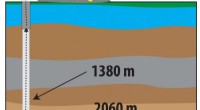
* The Earth's Interior: Rocks, minerals, magma, fossils, etc.
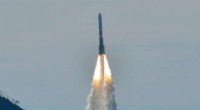
* Space Near Earth: Satellites, the International Space Station, space debris, etc.
The Ever-Changing Nature:
The list is constantly changing as:
* New objects are created (e.g., new buildings, new satellites)
* Objects are destroyed (e.g., buildings demolished, satellites deorbiting)
* Objects change location (e.g., cars moving, birds flying)
Beyond Counting:
The sheer number of objects, especially at the smaller scales, is essentially uncountable. Imagine trying to list every grain of sand on a beach!
Conclusion:
It's an impossible task to list all objects on or near Earth. It's a vast and ever-changing collection. The best way to approach this question is to think about categories of objects and the constantly evolving nature of the world around us.