General facts:
* Earth is a closed system: This means that nothing enters or leaves our planet, except for the energy from the sun.
* The Earth's climate is constantly changing: However, current climate change is happening at an unprecedented rate, largely due to human activities.
* Biodiversity is essential for a healthy planet: Every species plays a role in the complex web of life, and loss of biodiversity can have cascading effects.
* We are currently in the 6th mass extinction: This is the fastest extinction event in Earth's history, driven by human activities like habitat destruction and climate change.
* The atmosphere is a thin layer: It only makes up a tiny fraction of the Earth's overall mass, but it's vital for life and protects us from harmful radiation.
Facts about specific environmental issues:
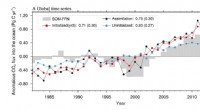
* Climate change is already impacting our planet: We're seeing rising sea levels, more extreme weather events, changes in agricultural yields, and loss of biodiversity.
* Deforestation is a major contributor to climate change: Trees absorb carbon dioxide, and cutting them down releases it back into the atmosphere.
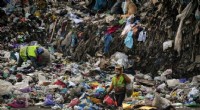
* Pollution affects all living things: Air, water, and soil pollution can harm human health, damage ecosystems, and disrupt natural processes.
* Plastic pollution is a growing problem: It persists in the environment for centuries, harming wildlife and ecosystems.
* Overpopulation is putting a strain on the planet's resources: As the human population grows, we consume more resources and generate more waste.
Facts about solutions:
* Renewable energy sources are becoming more affordable and accessible: Solar, wind, and hydro power can help us transition away from fossil fuels.
* Sustainable practices can reduce our environmental impact: This includes reducing, reusing, and recycling materials, consuming less energy, and eating a plant-based diet.
* Conservation efforts are vital for protecting biodiversity: This includes setting aside protected areas, restoring degraded ecosystems, and managing natural resources sustainably.
* Technology can play a role in solving environmental problems: Innovations in areas like renewable energy, waste management, and pollution control can help us address these challenges.
It's important to remember that these are just a few examples. The environment is complex and interconnected, and there is always more to learn. You can learn more by researching specific topics or visiting reputable sources like the World Wildlife Fund, National Geographic, and the Environmental Protection Agency.