Flora:
* Trees: A variety of trees, depending on the climate and location, like oak, maple, pine, redwood, etc.
* Shrubs and bushes: From berry bushes to flowering shrubs, providing food and shelter for animals.
* Flowers: Wildflowers in all shapes and colors, often blooming in spring and summer.
* Ferns and mosses: Thriving in shady, damp areas, adding a lush green carpet to the forest floor.
* Grasses and herbs: Filling in spaces between larger plants, creating a diverse ecosystem.
Fauna:
* Birds: From owls and hawks to warblers and woodpeckers, each with their own niche in the forest.
* Mammals: Deer, squirrels, rabbits, foxes, bears, and even larger animals like moose and elk depending on the location.
* Reptiles and amphibians: Snakes, lizards, frogs, and salamanders, playing important roles in the food chain.
* Insects: A wide array of insects, from butterflies and beetles to ants and spiders, contributing to pollination and decomposition.
Other:
* Mushrooms and fungi: Decomposers that play a crucial role in breaking down dead material.
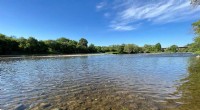
* Water sources: Rivers, streams, lakes, and ponds, providing water for plants and animals.
* Sunlight and shade: Depending on the time of day and the canopy above, different levels of light penetrate the forest floor.
* Smell and sound: The earthy smell of the forest, the rustling of leaves, and the sounds of birds and animals create a unique atmosphere.
To explore the forest further:
* Think about the type of forest: Is it a deciduous forest, a coniferous forest, a rainforest, or a temperate forest? Each has its own unique characteristics.
* Consider the location: Forests in different parts of the world have different plants and animals.
* Look for specific features: Are you interested in finding certain plants, animals, or geological features?
The forest is a fascinating and complex ecosystem, offering endless opportunities for exploration and discovery.