1. Latitude:
* Distance from the equator: The Earth's curvature means different latitudes receive varying amounts of solar radiation. The equator receives the most direct sunlight, resulting in warm temperatures year-round (tropical climates). As you move away from the equator towards the poles, the angle of the sun's rays becomes more oblique, leading to cooler temperatures and distinct seasons (temperate and polar climates).
2. Altitude:
* Elevation above sea level: Air temperature decreases with increasing altitude. This is because air thins and has less capacity to retain heat. Mountains and high plateaus often have cooler climates than surrounding lowlands.
3. Proximity to Water:
* Oceans and large lakes: Water has a higher heat capacity than land, meaning it takes longer to heat up and cool down. This moderates coastal climates, making them less extreme than inland climates.
* Ocean currents: Large-scale ocean currents can transport warm or cold water to different regions, influencing regional climates. For example, the Gulf Stream brings warm water to Western Europe, making it milder than other locations at similar latitudes.
4. Topography:
* Mountain ranges: Mountains can block air masses, creating rain shadows on one side and drier conditions on the other. The windward side of mountains often receives more rainfall due to condensation as air rises and cools.
* Valleys: Valleys can trap cold air during winter, creating frost pockets, while they may experience heat waves during summer.
5. Atmospheric Circulation:
* Global wind patterns: The Earth's rotation and uneven heating create large-scale wind patterns (e.g., trade winds, jet streams) that distribute heat and moisture. These patterns influence weather and climate across the globe.
6. Vegetation:
* Forests and grasslands: Vegetation influences the local climate by impacting sunlight, temperature, and moisture. Forests, for example, can cool the air through shade and evapotranspiration.
7. Human Activities:
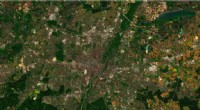
* Urban heat islands: Cities with large amounts of pavement and concrete retain more heat, creating warmer temperatures than surrounding areas.
* Greenhouse gas emissions: The burning of fossil fuels releases greenhouse gases that trap heat in the atmosphere, contributing to global warming and changes in climate patterns.
These factors interact in complex ways to create the diverse range of climates found across the globe. Understanding these factors is crucial for understanding the distribution of different climate zones and how climate change may impact them in the future.