Tropical rainforests are biodiversity hotspots, home to a vast array of plant and animal life, and play a crucial role in regulating the global climate. However, they are facing a multitude of ecological concerns, including:
1. Deforestation and Habitat Loss:
* Logging: Commercial logging for timber removes large swathes of forest, fragmenting habitats and disrupting ecosystems.
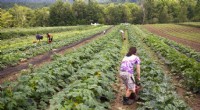
* Agriculture: Clearing land for agriculture, especially for cattle ranching and palm oil plantations, destroys rainforest ecosystems.
* Mining: Extraction of minerals like gold and bauxite often involves deforestation and can pollute nearby waterways.
* Urbanization and Infrastructure Development: Expansion of roads, dams, and settlements further fragment forests and destroy natural habitats.
2. Climate Change:
* Increased temperatures: Warmer temperatures can impact the delicate balance of rainforest ecosystems, affecting plant and animal life.
* Drought: Prolonged droughts can lead to forest fires and weaken trees, making them vulnerable to pests and diseases.
* Changes in rainfall patterns: Unpredictable rainfall patterns can disrupt the water cycle and impact the growth and survival of plants.
3. Biodiversity Loss:
* Extinction: Deforestation and habitat loss lead to the extinction of countless species, from iconic animals like orangutans to lesser-known insects and plants.
* Disease and Pests: Fragmentation and stress from climate change can increase the spread of diseases and pests, further impacting biodiversity.
* Loss of genetic diversity: Reduced population sizes and habitat loss lead to a decrease in genetic diversity, making species more vulnerable.
4. Soil Degradation and Erosion:
* Loss of topsoil: Deforestation and intensive agriculture remove the protective layer of topsoil, leaving the land vulnerable to erosion.
* Nutrient depletion: Constant extraction of resources and lack of natural regeneration deplete the soil of essential nutrients.
* Water pollution: Erosion and runoff from agricultural lands contaminate waterways with sediment and chemicals.
5. Invasive Species:
* Introduced species: Human activities introduce non-native plants and animals that can outcompete native species and disrupt ecological balance.
* Disease and pest outbreaks: Invasive species can carry diseases and pests that threaten native species.
6. Sustainable Use and Management:
* Overexploitation: Unsustainable harvesting of forest products, such as timber and medicinal plants, can deplete resources.
* Lack of regulation: Weak enforcement of environmental regulations allows for illegal logging and unsustainable practices.
* Lack of community involvement: Sustainable management requires the involvement of local communities who rely on the forest for their livelihoods.
7. Addressing the Concerns:
* Conservation and restoration: Establishing protected areas, reforestation efforts, and habitat restoration projects are crucial for protecting rainforests.
* Sustainable land management: Promoting sustainable agriculture practices, responsible logging, and ecotourism can help reduce the impact of human activities.
* Community engagement: Empowering local communities to manage and benefit from the forest through sustainable practices is essential.
* Policy and regulation: Strong environmental laws and regulations are necessary to control deforestation and other destructive activities.
* Climate action: Reducing greenhouse gas emissions and mitigating climate change are vital to protect rainforests from the impacts of global warming.
Addressing these ecological concerns requires a multi-pronged approach involving governments, communities, businesses, and individuals working together to protect these vital ecosystems for future generations.