Indigenous Peoples:
* Foraging: Indigenous peoples living in rainforests rely heavily on foraging for food. They gather a wide variety of fruits, vegetables, nuts, and seeds. Common examples include:
* Fruits: Bananas, mangoes, papayas, pineapples, guavas, acai berries, and more.
* Vegetables: Cassava (yucca), taro, plantains, sweet potatoes, and wild greens.
* Nuts: Brazil nuts, cashew nuts, and other rainforest nut varieties.
* Seeds: Palm hearts, beans, and other legumes.
* Hunting: Many indigenous groups hunt for meat, focusing on sustainable practices. Typical prey includes:
* Mammals: Monkeys, deer, tapir, peccary, and small rodents.
* Birds: Birds of paradise, parrots, and other rainforest birds.
* Fish: Fish from rivers and streams.
* Fishing: Many rainforest communities rely on rivers and streams for fish, as well as shellfish and crustaceans.
* Insects: Some indigenous groups consume insects, such as ants, grubs, and termites, as a source of protein.
Modern Inhabitants:
* Local Markets: In areas with more developed infrastructure, people can access food from local markets. These markets often offer a mix of rainforest products and cultivated foods.
* Farming: Some rainforest communities practice agriculture, growing crops like rice, beans, and other staples.
* Urban Centers: In larger rainforest cities, people have access to a wider range of food options, including imported goods from other regions.
Important Notes:
* Sustainability: Indigenous peoples have developed sustainable methods of living in harmony with the rainforest. They understand the importance of respecting the environment and only taking what they need.
* Cultural Differences: Food preferences and dietary habits vary greatly between different indigenous groups and modern communities.
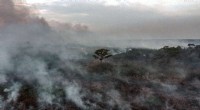
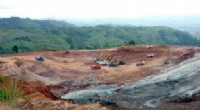
* Challenges: Deforestation, climate change, and other factors can disrupt food availability and traditional food systems in rainforest regions.
It's important to remember that food availability and consumption are complex issues, influenced by geography, culture, economics, and environmental factors.