Here's how it works:
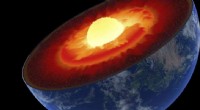
1. Magma from the geosphere rises to the surface: Volcanoes are formed when molten rock (magma) from the Earth's interior (geosphere) rises to the surface.
2. Eruption releases gases and particles: When a volcano erupts, it releases various gases and particles into the atmosphere. These include:
* Volcanic gases: Water vapor (H2O), carbon dioxide (CO2), sulfur dioxide (SO2), hydrogen sulfide (H2S), and others.
* Volcanic ash: Tiny particles of rock and minerals, often containing silica.
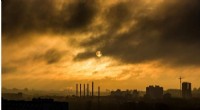
3. These materials become part of the atmosphere: The released gases and particles mix with the atmosphere, changing its composition and potentially influencing weather patterns and climate.
This process demonstrates the interconnectedness of Earth's systems, as matter from the geosphere directly affects the atmosphere.