Weathering: This refers to the breakdown of rocks, soil, and minerals through direct contact with the Earth's atmosphere, water, and biological organisms. There are two main types:
* Physical weathering: This is the mechanical breakdown of rocks into smaller pieces. Examples include:
* Frost wedging: Water seeps into cracks, freezes and expands, putting pressure on the rock.
* Thermal expansion and contraction: Alternating hot and cold temperatures cause rocks to expand and contract, eventually fracturing them.
* Abrasion: Wind, water, or ice carrying sand and other particles wear away rocks.
* Chemical weathering: This involves chemical reactions that alter the composition of rocks. Examples include:
* Dissolution: Water dissolves certain minerals in rocks, like limestone.
* Oxidation: Reactions with oxygen, often in the presence of water, can alter the composition of rocks.
* Biological weathering: Plants and animals contribute to weathering through root growth, burrowing, and the production of acids.
Erosion: This is the movement of weathered material from one place to another. Major agents of erosion include:
* Water: Rain, rivers, and ocean waves are powerful erosive forces.
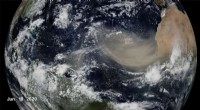
* Wind: Wind can pick up and carry loose sediment, especially in arid regions.
* Glaciers: Massive ice sheets carve out valleys and transport enormous amounts of rock.
* Gravity: Gravity pulls materials downhill, causing landslides, rockfalls, and soil creep.
Other factors:
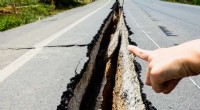
* Plate tectonics: The movement of Earth's tectonic plates creates mountains, volcanoes, and earthquakes, dramatically changing landscapes.
* Volcanic activity: Volcanoes erupt, spewing lava and ash that reshape the land.
* Human activity: Mining, agriculture, and urbanization can also significantly alter the landscape.
It's important to remember that these processes work together in complex ways. For example, weathering weakens rocks, making them more susceptible to erosion. The interplay of these forces is what shapes the Earth's constantly evolving landscapes.