* Camouflage: Rainforests are teeming with life, both predator and prey. Many animals have evolved camouflage to blend in with the dense foliage, helping them to hunt or avoid being hunted. This adaptation is less common in the Arctic, where the landscape is more open and the primary prey (like caribou) are large and relatively easy to spot.
* Arboreal Lifestyle: Many rainforest animals live in the trees (arboreal). They have adaptations like strong claws, prehensile tails, and the ability to leap great distances to move through the canopy. These adaptations would be useless in the Arctic, which is characterized by treeless tundra.
* Bright Colors and Patterns: Some rainforest animals have bright colors and patterns to attract mates or warn predators. These adaptations are less common in the Arctic, where the environment is less colorful and there is less need for elaborate signaling.
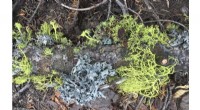
* Epiphytic Plants: Rainforest plants called epiphytes grow on the surface of other plants, like trees, rather than in the ground. This allows them to access sunlight and nutrients high in the canopy. Epiphytes would not be found in the Arctic, where the harsh conditions make it difficult for plants to survive without rooting in the ground.
Let me know if you'd like more examples!