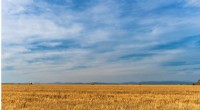
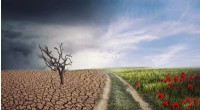
* Dry climates: Wind erosion is most common in areas with little vegetation and frequent, strong winds, such as deserts and semi-arid regions.
* Loose, fine-grained sediment: Areas with sand, silt, and clay are easily picked up and transported by the wind.
* Little or no vegetation: Plants act as a barrier to wind, holding the soil in place. Areas with sparse or no vegetation are more vulnerable to wind erosion.
* Flat or rolling terrain: Flat or gently sloping land allows wind to move freely across the surface, picking up sediment.
Specific examples of locations where wind erosion is significant:
* The Sahara Desert: One of the largest deserts in the world, with strong winds that create massive sand dunes and dust storms.
* The Great Plains of North America: Historically, the Great Plains were covered in grasslands, but overgrazing and farming have left the soil vulnerable to wind erosion.
* Coastal areas: Coastal areas often experience strong winds that can erode sand dunes and beaches.
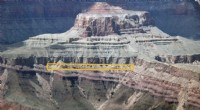
* Dry valleys and canyons: These areas have little vegetation and are exposed to strong winds, leading to erosion of rock and soil.
Note: Wind erosion can also occur in other environments, but it is most prominent in areas with the characteristics listed above.