Physical Characteristics:
* Third planet from the sun: Earth is the only known planet in our solar system that supports life.
* Rocky planet: It has a solid, mostly silicate crust, mantle, and a metallic core.
* Unique atmosphere: Earth's atmosphere, primarily composed of nitrogen and oxygen, is essential for life and protects us from harmful solar radiation.
* Water world: Earth is the only planet in our solar system known to have liquid water on its surface, which is vital for life.
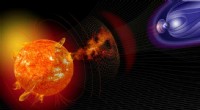
* Magnetic field: Earth's magnetic field protects us from solar wind and cosmic rays.
* Plate tectonics: Earth's crust is broken into tectonic plates that move and interact, causing earthquakes, volcanoes, and mountain formation.
Biological Characteristics:
* Abundant life: Earth is teeming with life, from microscopic bacteria to complex plants and animals.
* Biodiversity: Earth's diverse ecosystems are home to millions of different species.
* Biosphere: The region on Earth where life exists, including the surface, atmosphere, and oceans.
* Self-regulating system: Earth's various systems, like the atmosphere, oceans, and biosphere, interact and influence each other, creating a complex and interconnected system.
Overall, Earth's characteristics are a combination of physical, geological, biological, and chemical processes that have interacted over billions of years to create the unique planet we know today.
It's important to note that while these are some of the general characteristics of Earth, they are not exhaustive and Earth continues to be a fascinating and ever-evolving planet.