1. Natural Resources: These are materials or substances found in nature that are used by humans. They can be further classified into:
* Renewable Resources: Resources that can be replenished naturally over a relatively short period of time. Examples include:
* Solar energy: Energy from the sun
* Wind energy: Energy from wind
* Hydropower: Energy from moving water
* Biomass: Energy from organic matter
* Forest products: Timber, wood pulp, etc.
* Fisheries: Fish and other aquatic life
* Freshwater: Water found in rivers, lakes, and groundwater
* Non-renewable Resources: Resources that are finite and cannot be replenished on a human timescale. Examples include:
* Fossil fuels: Coal, oil, and natural gas
* Minerals: Iron, copper, gold, etc.
* Land: The Earth's surface used for agriculture, housing, and industry
2. Human Resources: These resources refer to the skills, knowledge, and abilities of people within a society. They are essential for the development and utilization of natural resources. Examples include:
* Labor force: The people who work in a society
* Education and skills: The knowledge and skills that people possess
* Technology: The tools and methods used to produce goods and services
* Entrepreneurship: The ability to create and manage new businesses
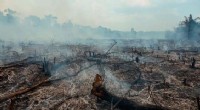
It is important to note that some resources can be both renewable and non-renewable depending on how they are managed. For example, forests can be renewable if they are managed sustainably, but they can become non-renewable if they are overexploited.
Furthermore, the availability and accessibility of resources vary greatly across the globe, leading to disparities in economic development and well-being.
Understanding the different types of resources is crucial for sustainable development and ensuring that future generations have access to the resources they need.