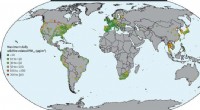
Ecological footprint and ecosystem services are fundamental concepts that underpin the idea of environmental citizenship. They provide a framework for understanding our individual and collective impact on the planet and highlight the responsibility we bear towards sustaining life on Earth.
Ecological Footprint:
* Definition: A measure of human demand on the Earth's ecosystems. It calculates the amount of biologically productive land and water area needed to produce the resources we consume and absorb our waste.
* Relevance to Environmental Citizenship: By understanding our ecological footprint, we become aware of our consumption patterns and the environmental consequences of our choices. It encourages us to adopt more sustainable lifestyles, reducing our impact on the planet and fostering responsible resource consumption.
Ecosystem Services:
* Definition: The multitude of benefits that humans derive from healthy ecosystems, including clean air and water, pollination, climate regulation, and natural resources.
* Relevance to Environmental Citizenship: Recognizing the vital role of ecosystem services in supporting human well-being emphasizes our responsibility to protect and restore these natural systems. Environmental citizenship involves actively participating in efforts to conserve biodiversity, manage pollution, and promote sustainable land use practices.
The Connection:
The link between ecological footprint, ecosystem services, and environmental citizenship is evident:
* Our ecological footprint is a reflection of our reliance on ecosystem services. The more resources we consume and the more waste we generate, the greater the strain on the planet's ecosystems, compromising their ability to provide essential services.
* Environmental citizenship empowers us to reduce our footprint and contribute to the well-being of ecosystems. By adopting sustainable practices in daily life, engaging in advocacy for environmental policies, and participating in conservation efforts, we can contribute to a more sustainable and equitable future.
In essence, environmental citizenship is about taking responsibility for our ecological footprint by actively engaging in actions that preserve and restore ecosystem services. This involves:
* Reducing our consumption: Choosing sustainable products, reducing food waste, adopting energy-efficient practices.
* Protecting ecosystems: Supporting conservation efforts, advocating for sustainable land management, reducing pollution.
* Promoting environmental education and awareness: Raising awareness about ecological footprint, ecosystem services, and the importance of environmental responsibility.
By embracing these principles, we become active participants in building a more sustainable future, ensuring the well-being of future generations and the planet we call home.